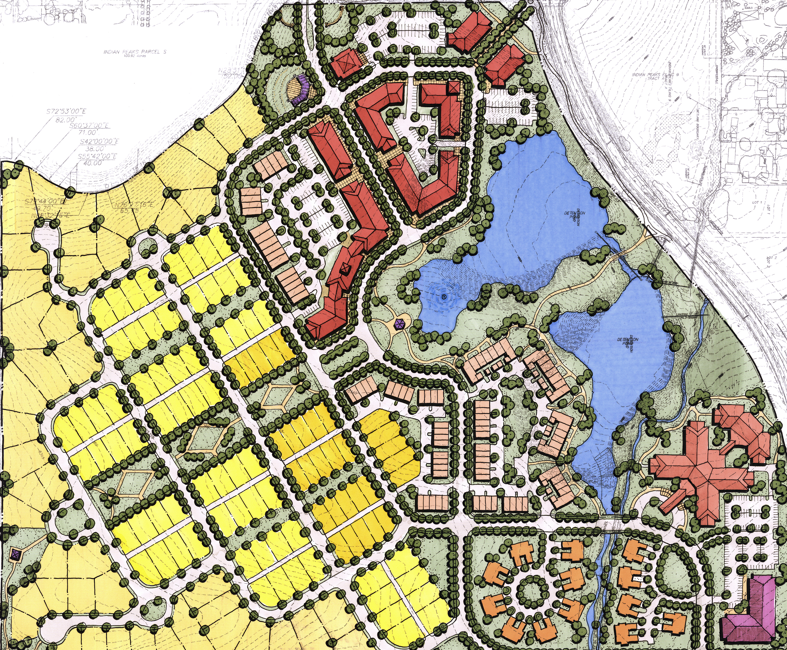
Successful projects begin with a clear plan. At WMF, we provide our clients with a framework for aligning long-term goals with evolving needs. We help organizations identify opportunities, address challenges, and make thoughtful decisions about growth, investment, and resource allocation. The result is a clear, actionable plan that supports informed decision-making and long-term success.
Master Planning in Action


WMF partnered with Lorain County Community College to develop a comprehensive Parking Improvements Master Plan that aligns future campus growth with transportation, safety, and infrastructure needs. Through detailed analysis of existing conditions and circulation patterns, the plan identifies strategic parking enhancements, pedestrian improvements, and sustainable site solutions that can be implemented over time. The result is a practical framework that helps the college prioritize investments, improve campus connectivity, and support its long-term vision. WMF’s planning services received a 2025 NAIOP Award of Excellence for Placemaking.

WMF collaborated with Montessori Regional Charter School to develop a comprehensive master plan for its 17-acre campus, creating a long-term vision that supports the school’s continued growth. Through a collaborative planning process, the master plan evaluated campus circulation, site organization, outdoor learning environments, and future development opportunities to establish a flexible framework for phased improvements. Designed to evolve alongside the school’s needs and available funding, the plan provides clear phases for future investment while enhancing the educational experience for students and staff.
The Process Behind Effective Planning
WMF follows a structured planning process that turns ideas into implementable projects and actionable investment strategies
- Establish Priorities Through Stakeholder Engagement: Gather input from leadership, staff, users, and community stakeholders to identify operational needs, service gaps, and long-term objectives
- Document Existing Assets and Performance: Inventory facilities, infrastructure, and site conditions while evaluating capacity, utilization, lifecycle needs, and operational challenges to establish a data-driven baseline
- Identify Projects and Measure Impact: Develop and evaluate potential projects based on factors such as community benefit, operational efficiency, return on investment, regulatory requirements, and alignment with organizational goals
- Align Improvements with Funding Resources: Prioritize projects according to available funding sources, grant opportunities, staffing capacity, and anticipated capital investment timelines
- Create an Actionable Implementation Strategy: Deliver a clear roadmap that identifies project sequencing, estimated costs, funding considerations, and decision points required to move projects from concept to construction
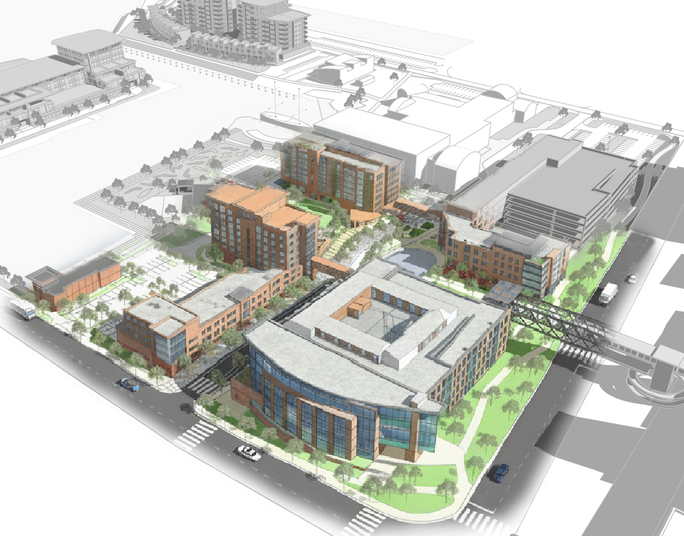
“The planning services provided by WMF have led to one of the most anticipated economic development projects that the City of Erie has ever seen… We have found the planning process to be creative, engaging, and truly enjoyable. The impact of their experience on the master plan is clearly evident.”
– Nick Scott Jr., Vice President, Scott Enterprises